
Introduction: Defining Excellence in American Higher Education
The search for the best university in the United States is a significant undertaking. With thousands of accredited institutions, American higher education offers unparalleled diversity and quality. This guide cuts through the noise to highlight the universities consistently recognized for academic excellence, groundbreaking research, and exceptional student outcomes.
Understanding University Rankings and What They Mean
University rankings provide valuable insights, but they tell only part of the story. Understanding their methodology is crucial for prospective students.
Major Ranking Systems Explained
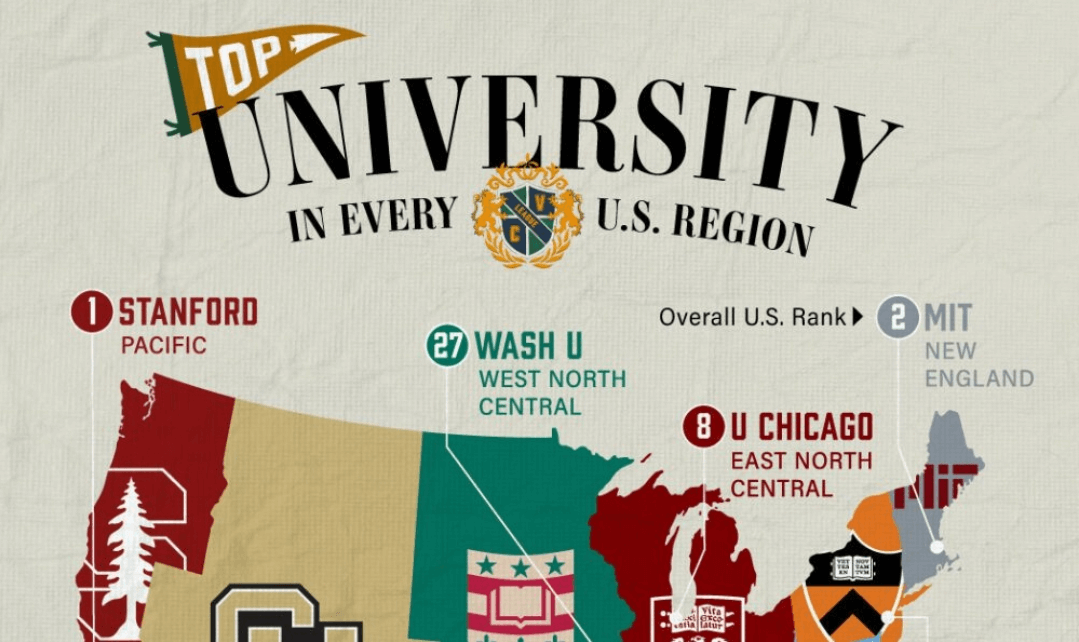
U.S. News & World Report remains the most referenced domestic ranking, emphasizing graduation rates, faculty resources, and academic reputation. Globally, QS World University Rankings and Times Higher Education World University Rankings focus heavily on research impact and international diversity.
Beyond the Numbers: Qualitative Factors
The best fit considers campus culture, specific program strength, location, and personal learning style—factors rankings cannot fully capture.
The Hallmarks of a Top-Tier American University
Several consistent characteristics define the nation’s most prestigious institutions.
Academic Rigor and Distinguished Faculty
Leading universities attract Nobel laureates, Pulitzer Prize winners, and field-defining researchers who are actively engaged in both discovery and undergraduate teaching.
Selective Admissions and Peer Networks
Highly competitive acceptance rates create cohorts of exceptionally motivated students, fostering an environment of intellectual collaboration and ambition.
Substantial Resources and Financial Support
Significant endowments translate to state-of-the-art facilities, extensive research funding, generous financial aid packages, and favorable student-to-faculty ratios.
Powerful Outcomes and Alumni Networks
Elite institutions boast near-perfect graduation rates, exceptional postgraduate employment and salary data, and influential, globally-connected alumni networks.
A Closer Look at Top-Tier University Categories
The landscape of excellence in the U.S. encompasses several distinct groups of institutions.
The Ivy League: Historic Institutions of Global Renown
This consortium of eight private Northeastern universities represents centuries of academic tradition, immense resources, and enduring prestige.
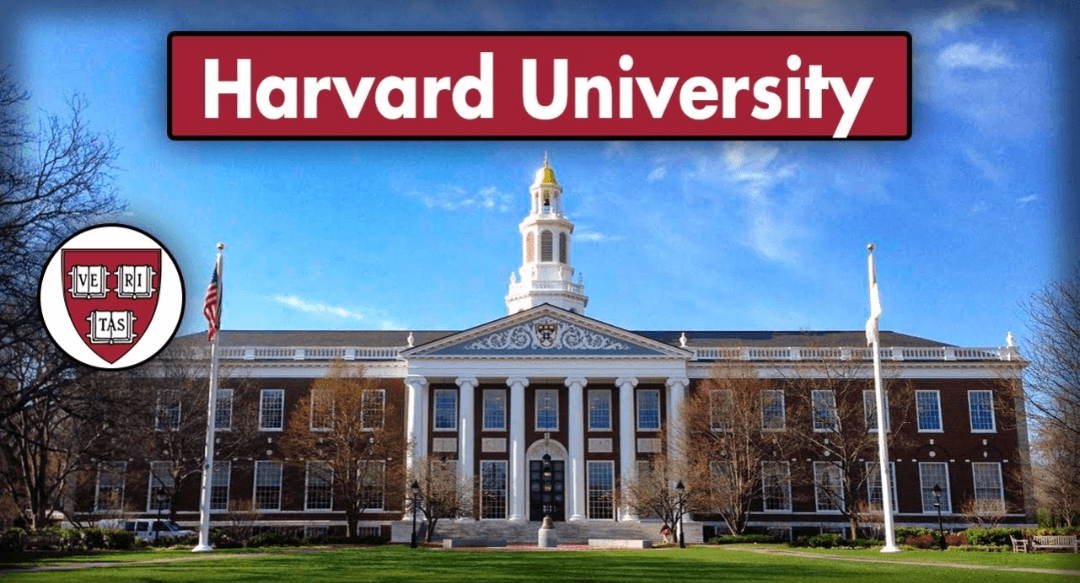
Harvard University
Consistently ranked among the world’s very best, Harvard offers unmatched resources across all disciplines, from law and business to medicine and the humanities.
Princeton University
Renowned for its commitment to undergraduate teaching and theoretical research, Princeton provides a focused, residential college experience without professional undergraduate schools.
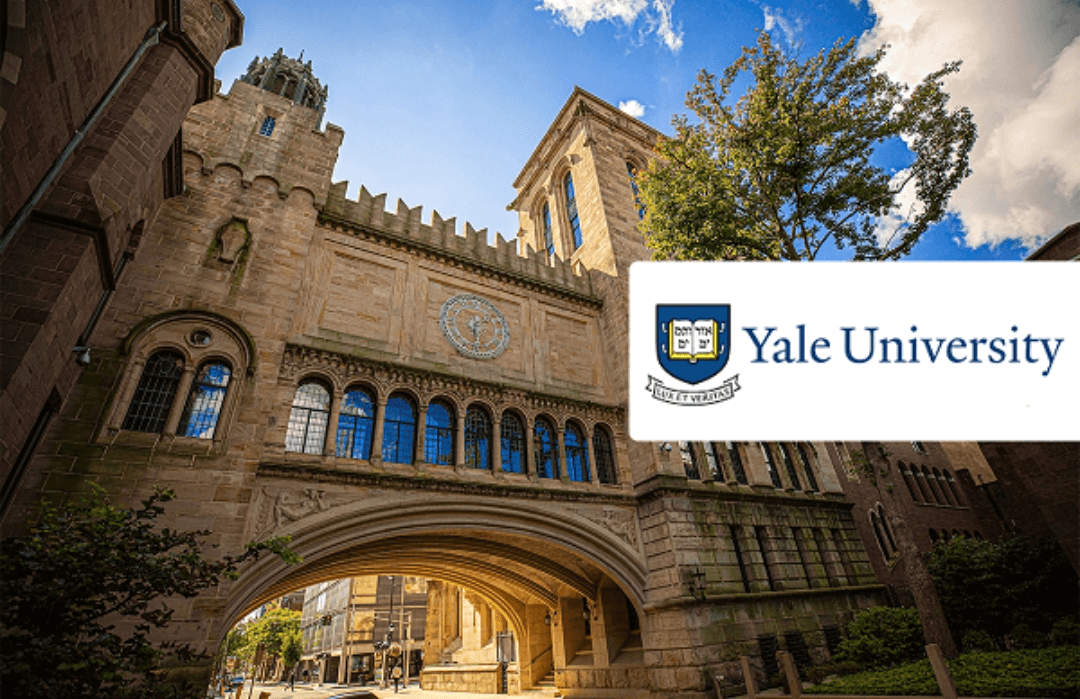
Yale University
A global leader in law, the arts, and humanities, Yale is famous for its distinctive residential college system and its deeply engaging liberal arts curriculum.
Columbia University
Offering a unique blend of a rigorous core curriculum and the infinite opportunities of New York City, Columbia excels in urban studies, journalism, and the sciences.
Stanford University and MIT: The Innovation Powerhouses
While not Ivies, these institutions match and often exceed the Ivy League in global influence and selectivity.
Stanford University
As the intellectual heart of Silicon Valley, Stanford champions interdisciplinary collaboration and entrepreneurship across technology, business, and the arts.
Massachusetts Institute of Technology (MIT)
The undisputed global leader in STEM education and research, MIT is dedicated to solving complex real-world problems through scientific and technological innovation.
Flagship Public Universities: Excellence on a Monumental Scale
These institutions deliver world-class education and research while providing significant value, particularly for in-state residents.
University of California, Berkeley
The top-ranked public university globally, Berkeley is celebrated for its academic excellence, pioneering research, and legacy of social activism.
University of Michigan, Ann Arbor
A “Public Ivy” with extraordinary breadth, Michigan offers top-ranked programs in engineering, business, medicine, and the liberal arts within a vibrant college town.
University of California, Los Angeles (UCLA)
UCLA combines stellar academics with championship athletics, renowned arts programs, and the advantages of its Los Angeles location.
University of Virginia
Founded by Thomas Jefferson, UVA offers a classic public Ivy experience with a historic honor code, beautiful grounds, and a strong undergraduate focus.
Elite Liberal Arts Colleges: The Undergraduate Experience Perfected
These smaller institutions prioritize intimate classroom settings, close student-faculty mentorship, and holistic residential education.
Williams College
Often ranked the nation’s top liberal arts college, Williams excels with its tutorial-style learning and a close-knit academic community in the Berkshires.
Amherst College
Known for its open curriculum and intellectual freedom, Amherst allows students to design their own educational journey without core course requirements.
Swarthmore College
Swarthmore combines the deep engagement of a liberal arts college with the research intensity of a major university, including a rare engineering program.
How to Choose Your Best-Fit University
Finding the right institution requires careful self-reflection and research beyond prestige.
Evaluating Academic Programs
Investigate the specific departments and majors that interest you. A university’s overall ranking may differ significantly from the strength of your intended program.
Assessing Campus Culture and Location
Consider whether you thrive in a large, spirited campus in a college town or prefer an intimate setting integrated into a major city. Campus visits and student testimonials are invaluable.
Analyzing Financial Considerations
Compare total cost of attendance alongside financial aid offerings. Many top schools meet 100% of demonstrated need with grants, not loans, making them more affordable than they appear.
Researching Career Support and Outcomes
Examine career center services, internship placement rates, recruitment by top employers, and alumni career paths in your field of interest.
Navigating the Application Process for Selective Schools
Admission to top universities requires a strategic and authentic approach.
Building a Compelling Application Profile
Excel in the most challenging curriculum available to you. Develop meaningful extracurricular depth rather than a long list of superficial activities. Your essays should provide genuine insight into your character and intellectual curiosity.
Understanding Standardized Testing Policies
Research each school’s specific stance on SAT/ACT scores. Even at test-optional schools, strong scores can bolster an application, but they are just one component.
Demonstrating Informed Interest
Tailor your supplemental essays to each institution. Show a deep understanding of how specific programs, professors, or opportunities align with your academic goals.
Conclusion: Your Journey to the Right University
The best university in the United States is ultimately the one where you will be challenged, supported, and inspired to reach your full potential. It is the institution that aligns with your academic ambitions, personal values, and vision for your future.
While the universities highlighted here represent the pinnacle of academic recognition, remember that exceptional education exists at hundreds of institutions across the country. Your perfect fit is out there, waiting to be discovered through thoughtful research and introspection.
Begin your search today by exploring academic departments, virtual tours, and alumni networks. Your future in American higher education starts with the right choice for you.